
In today’s fast-paced digital world, generating quality leads is the lifeline of any business. If you’re wondering how to generate leads in digital marketing, you’re in the right place. In this guide, we’ll walk you through proven strategies, real-life examples, and tools to help you grow your leads and convert them into paying customers.
Introduction
What is Lead Generation in Digital Marketing?
Lead generation is the process of attracting and converting strangers into potential customers who have shown interest in your product or service. It is the first step in building a successful sales funnel.

Why is it Important?
Without a steady stream of leads, your business can’t grow. Leads are essential for:
- Increasing Sales
- Growing your email list
- Building Relationships
- Enhanced Brand visibility
If you want to master these skills hands-on, check out our DSDM Digital Marketing Course.
Understanding the Digital Buyer Journey
Every lead goes through three main stages before making a purchase:
Awareness Stage
The customer realizes they have a problem.
Consideration Stage
They begin to look for solutions and evaluate options
Decision Stage
They choose a product or service to purchase.
Tailoring your marketing efforts to these stages improves lead quality and conversion rates.
Types of Digital Marketing Leads
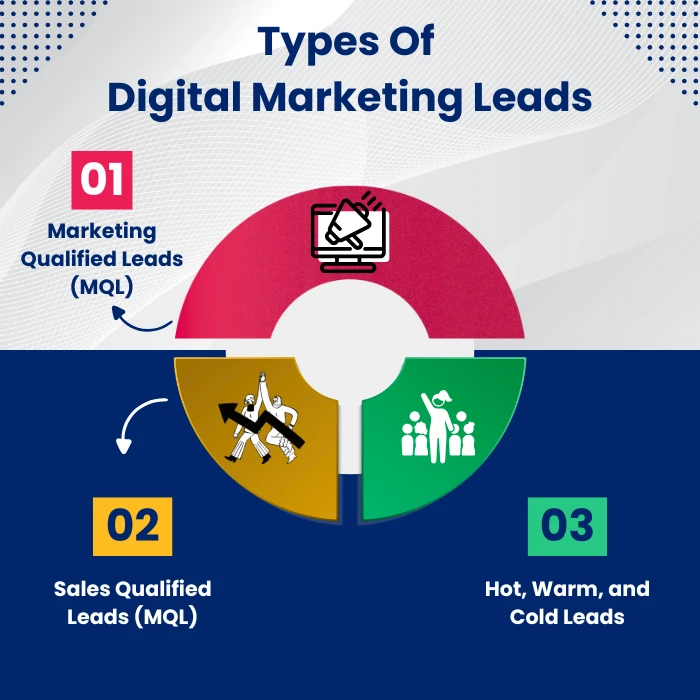
Marketing Qualified Leads (MQL)
Leads who have interacted with your marketing efforts but are not ready to buy yet.
Sales Qualified Leads (SQL)
Leads who are ready to be approached by your sales team.
Hot, Warm, and Cold Leads
Categorized based on their readiness to buy:
- Hot Leads: Ready to buy now
- Warm Leads: Interested but need nurturing
- Cold Leads: Minimal interest, need awareness
Proven Lead Generation Strategies
Content Marketing
Creating valuable content attracts, educates, and converts visitors into leads. Examples include:
- Blog Posts
- eBooks
- Case Studies
- Infographic
Use lead magnets like free downloads in exchange for email addresses.
Search Engine Optimization (SEO)
Optimizing your website and content for search engines helps you rank higher and attract organic leads.
- Use long-tail keywords
- Write SEO-optimized blog content
- Improve page speed and mobile usability
To learn these strategies step by step, explore our DSDM SEO Course.
Building a strong social presence helps build trust and attracts organic leads:
- Engage your audience on Instagram, Linkedin & Twitter.
- Use polls, reels, stories, and live sessions.
- Join niche communities
Pay-Per-Click Advertising (PPC)
Run Google Ads to target high-intent keywords. Benefits:
- Immediate Traffic
- Control over targeting
- Retargeting website visitors
Running Google Ads helps target high-intent keywords and bring immediate traffic. If you want to master PPC campaigns, check out our PPC Course.
Email Marketing
Still one of the highest ROI marketing tools.
- Use pop-ups and singup forms
- Send drip campaigns to educate leads
- Segment lists for better targeting
Meta Ads (Facebook & Instagram Ads)
Social media ads are ideal for lead generation:
- Use Lead Form Ads to collect leads without leaving the platform
- Use Landing Page Click Ads for more detailed forms
- Target Custom Audiences and Lookalikes
Tips:
- Use attention-grabbing visuals
- Offer something valuable (like a free guide)
- Keep forms short and mobile-friendly
Meta Ads are one of the most powerful ways to generate leads. To learn audience targeting, ad creatives, and conversion tracking, explore our Meta Ads Course.
Conversion Rate Optimization (CRO)
Improve the performance of your landing pages:
- Use strong, clear CTAs
- A/B test headlines, forms, and layouts
- Reduce form fields
Webinars & Live Events
Hosting webinars is a great way to capture leads and build authority:
- Use registration forms
- Offer replays and exclusive bonuses
- Follow-up via email
Best Tools for Lead Generation
HubSpot: All-in-one marketing automation and CRM
Mailchimp: Email marketing and automation
Meta Business Suite: Manage Facebook & Instagram ads
Google Ads: Run high-intent search campaigns
Leadpages / Unbounce: Build high-converting landing pages
How to Qualify and Nurture Leads?
Lead Scoring
Assign points to leads based on behavior (e.g., email opens, clicks)
CRM Automation
Use tools like Zoho, Salesforce, or HubSpot to automate follow-ups.
Segmentation
Group leads based on their interests, actions, or demographics to send personalized messages.
Real-Life Examples of Successful Lead Generation Campaigns
Example 1: Neil Patel
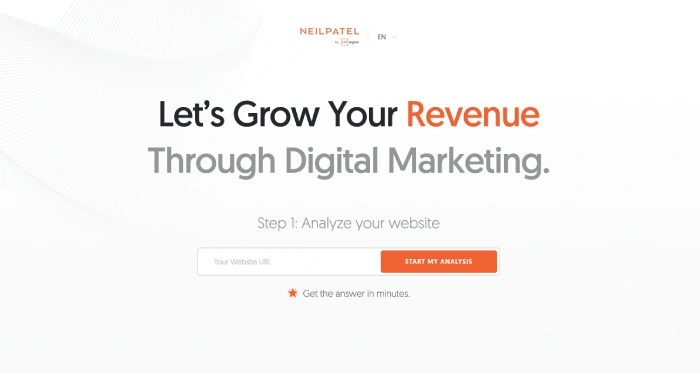
Uses SEO-optimized blogs with embedded lead magnets (like free tools and templates).
Example 2: HubSpot
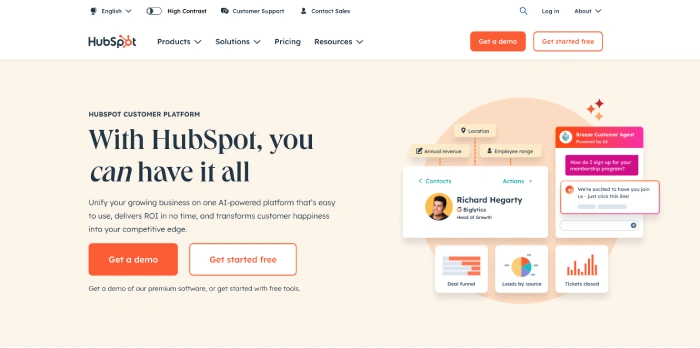
Offers free courses, tools, and templates in exchange for contact info.
Example 3: Shopify

Runs targeted Meta Ads offering 3-month free trials for new leads.
Common Lead Generation Mistakes to Avoid
- Ignoring mobile optimization
- Asking for too much information upfront
- Weak or generic CTAs
- Not nurturing your leads
- Ignoring analytics and tracking
Lead Generation Metrics You Should Track
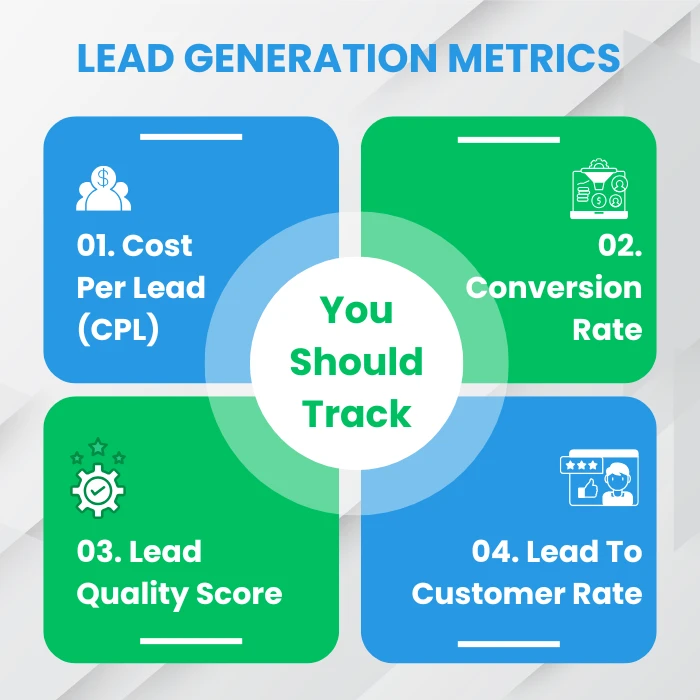
Cost Per Lead (CPL): How much you’re spending per lead
Conversion Rate: Percentage of visitors who become leads
Lead Quality Score: How likely the lead is to convert
Lead to Customer Rate: % of leads that become customers
Generating leads in digital marketing isn’t about one magic trick—it’s about a mix of smart strategies, the right tools, and continuous testing. Focus on understanding your audience, creating value-packed content, and using channels like Meta Ads, SEO, and email marketing effectively.
Got questions about lead generation? Drop them in the comments or reach out to us—we’re here to help!
Actionable Next Steps:
- Create a lead magnet today
- Set up a lead form ad on Meta
- Optimize your blog for long-tail keywords
- Start nurturing your email list
Got questions about lead generation? Drop them in the comments or reach out to us we’re here to help!

Social Media Marketing (Organic)